Shaping Leaders and Businesses: Corporate training and visiting faculty – Ananthanarayanan Venkateswaran
Bridging Academia and Industry: A Journey of Impact: Visiting Faculty, Trainer, and Coach: Driving Impact Across Industries
I contributed to the academic landscape and the corporate world as a visiting faculty, FDP / MDP trainer/masterclass/speaker/Corporate Trainer, and Executive Coach for a diverse range of programs during the past few months across various institutions 

From the intricacies of luxury management to the challenges of sustainability and circular economy management  , I delivered programs for various institutions for their MBA, EMBA, GMBA, PGDM,
  Luxury Management, Retail Management, Hospitality Management and to the corporate world for programs on Women Leadership at Work
 , Healthcare Management, Sustainability & Circular Economy, General Management, Decision-making, RCA, Negotiation, Pricing, Analytical Thinking, Critical Thinking, Buyer Persona, Entrepreneurship and Customer Journey Mapping
It was wonderful to engage with these bright minds (students, faculty, and industry professionals) and share my industry insights with case studies across 16 countries  and my journey as an entrepreneur delivering
  400 Million Dollars
  in sales for clients across the globe.
This opportunity allowed me to bridge the gap between academia and the real world, and I loved every moment of this while engaging with so many organisations in different capacities. Some were very surreal, and some brought back vivid memories. 
Here are a few of those moments that truly stood out, ranging from lighting the lamp  at the prestigious Indian Institute of Management, Indore, to engaging with iconic academic Gurus and stalwarts such as Professor Dr. and Director Himanshu Rai Sir
  Col. Dr. Gururaj Pamidi, interacting with the brilliant minds and amazing professionals at organisations such as Larsen & Toubro, Meghe Group of Institutions, Nestlé and meeting students, industry professionals at various institutions undergoing their MDP’s and students from across the globe pursuing higher education and dual-country management programs ranging from Italy, Switzerland, USA, UK, Ireland, Australia, Dubai and more!


A few aspects that stood out for me while delivering some of these onsite programs with a hands-on case study-based approach 
 was the use of a flipped classroom model
  for a few of the executive education programs that allowed for higher levels of critical thinking and problem-solving skills
  and utilising a gamification approach to enhance engagement in complex topics for executive coaching programs for the Women Leaders,
  improving knowledge retention and coming up with practical, real-world solutions to complex industry problems with real-time collaboration and innovative problem-solving techniques.
For custom designed corporate training, executive coaching, visiting faculty programs reach us here
Other links:
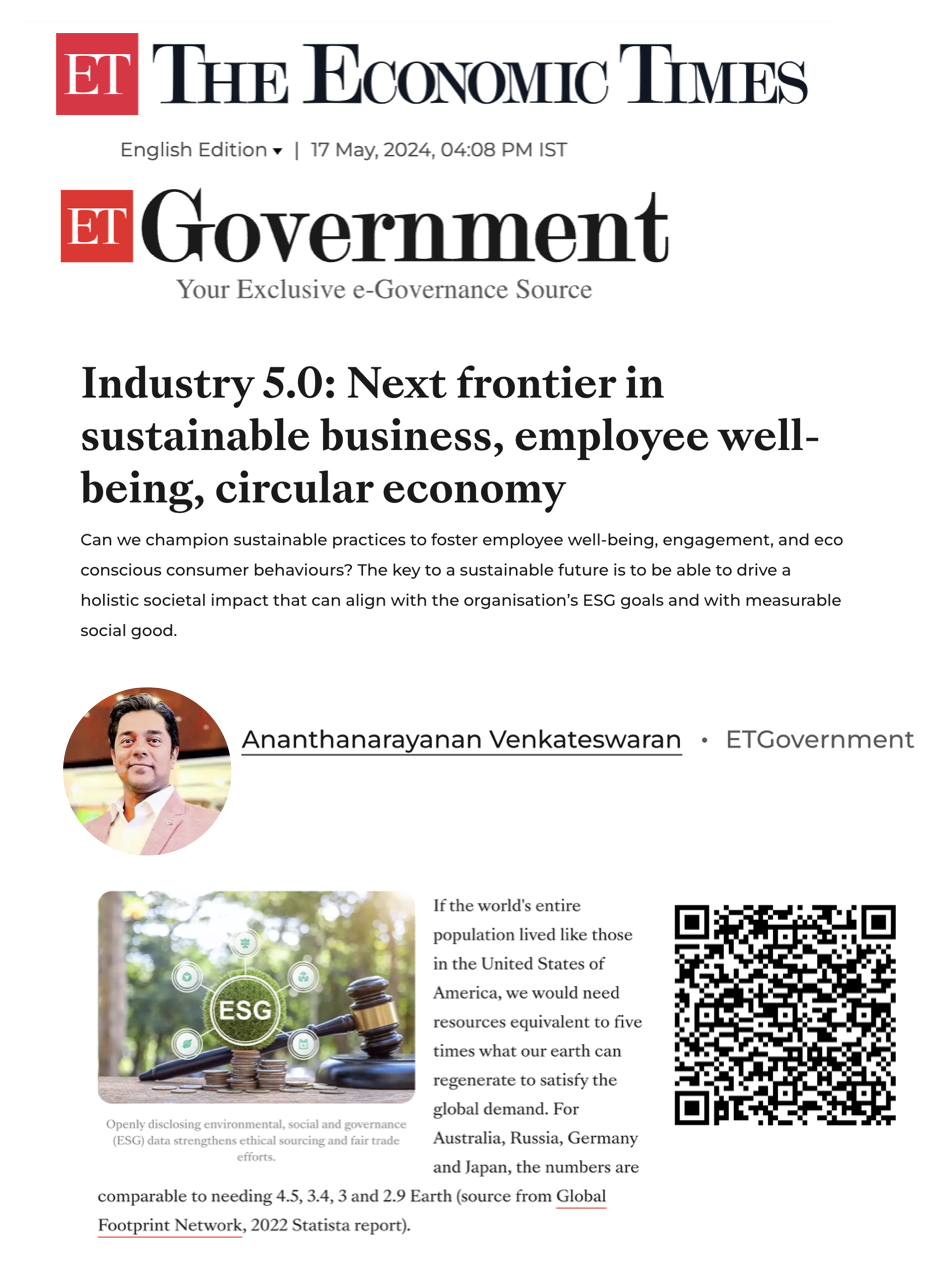
Website – Published in the Harvard Business Review – Jan 2020 – Running into Dr. Philip Kotler at Work – 400 Million Dollars – Digital Strategy ROI – Published in the Harvard Business Review: Marketing in the Age of Connection (HBR Special Issue) Nov 2022 – Published in The Economic Times: ET Brand Equity: Understanding Customers: The Real ROI Success – April 2023 – Published in The Economic Times: ET Government – Industry 5.0: Next frontier in sustainable business, employee well-being, circular economy – ET Government May 2024